

Feline Asthma 101: Signs, Triggers, and What Pet Parents Need to Know
Imagine waking up to a sound that makes your heart sink: a harsh, dry cough coming from your cat. You might dismiss it as a hairball at first, but when it happens repeatedly, or you notice your cat struggling to catch their breath, panic can set in. What if it is something serious?
Many cat owners have experienced this fear, and the reality is that your cat might be dealing with feline asthma. This condition can leave your pet wheezing or struggling to breathe during flare-ups, often triggered by simple things like allergens, stress, or irritants in your home- and can escalate to an emergency situation if not well-managed. The good news is that with tools like inhalers, appropriate medication, and a few environmental adjustments, most cats can find relief, breathe easier, and continue to live happily.
At Providence Vet, our experienced team provides compassionate, thorough respiratory care designed to keep your cat comfortable and healthy. From advanced diagnostics to long-term management, we help pet families in Virginia Beach understand their cat’s condition, prevent flare-ups, and create personalized treatment plans for lasting wellness. If your cat has recently shown any signs of breathing trouble, we encourage you to schedule an exam right away.
What Is Feline Asthma?
Feline asthma is a chronic inflammatory disease of the lower airways. When a cat inhales allergens like dust, pollen, cleaners, or cigarette smoke, the immune system overreacts, causing the airway walls to swell and produce mucus. This narrows the passages that carry air to the lungs, leading to wheezing, coughing, and labored breathing. Some cats also have overlapping chronic bronchitis, which produces similar signs and often requires the same management approach.
Coughing, wheezing, or a crouched posture with the neck extended are often the first signs that something is wrong. Many pet owners mistake these for simple hairball episodes, but if your cat’s “coughing fits” become frequent or are accompanied by open-mouth breathing or rapid chest movement, it could be asthma.
While feline asthma cannot be cured, it can be managed effectively through a combination of medication, environmental control, and regular checkups. Cats with asthma may experience symptoms seasonally, and keeping a record of when these episodes happen- time of day, location, or exposure- can be extremely helpful for your veterinarian during diagnosis. Our team at Providence Vet emphasizes proactive monitoring and consistent follow-up to keep your cat breathing comfortably.
Key Symptoms to Watch For
Cats tend to hide illness well, which makes early recognition crucial. Some common signs of asthma include:
- Persistent or recurring coughing or wheezing
- Rapid, shallow breathing or audible whistling
- Fatigue or reluctance to play
- Increased resting respiratory rate (over 30 breaths per minute)
- Episodes of crouching with the neck extended
- Open-mouth breathing or blue-tinged gums during severe attacks
During emergencies, cats may show extreme respiratory distress, including gasping or collapse. If your cat struggles to breathe, contact our emergency team right away during our open hours, or go to your nearest 24/7 emergency facility.
Conditions That Can Mimic Feline Asthma
Other illnesses can look similar to asthma, so accurate diagnosis is vital. Feline upper respiratory infections often cause sneezing, nasal discharge, and congestion but typically affect the nose and sinuses rather than the lower airways. If these infections progress to pneumonia, it can produce very similar symptoms to asthma.
Allergies can also produce wheezing and bronchitis, and in severe cases anaphylaxis– an emergency situation where your cat’s airway swells requires urgent treatment.
Additionally, heart disease can result in fluid buildup around the lungs, leading to coughing or difficulty breathing. Vomiting and “coughing up a hairball” can also look similar to an asthma attack, or occur at the same time.
Because so many conditions can look like or complicate asthma, our veterinarians use advanced diagnostic tools– including radiographs, ultrasound, and lab work- to differentiate asthma from cardiac or infectious causes so your cat receives the right treatment as quickly as possible.
How Veterinarians Diagnose Feline Asthma
Diagnosing asthma involves ruling out other diseases and identifying inflammation or airway changes. X-rays are often the first step, revealing characteristic patterns in the lungs. Bloodwork may show signs of inflammation or allergic response, while ultrasound can help assess the heart if cardiac disease is suspected. In complex cases, additional tests like bronchoalveolar lavage or endoscopy may be performed to collect samples from the lower airways.
At home, you can support diagnosis by regularly recording a resting respiratory rate. Consistent tracking helps our veterinarians evaluate how your cat responds to treatment and adjust plans as needed. If your cat isn’t at risk of respiratory distress, taking a video of an asthma attack can also help your vet differentiate the different possibilities. Providence Vet’s advanced diagnostic services include in-house laboratory testing, echocardiograms, digital X-rays, and ultrasound for a complete respiratory workup.
Treatment Options for Feline Asthma
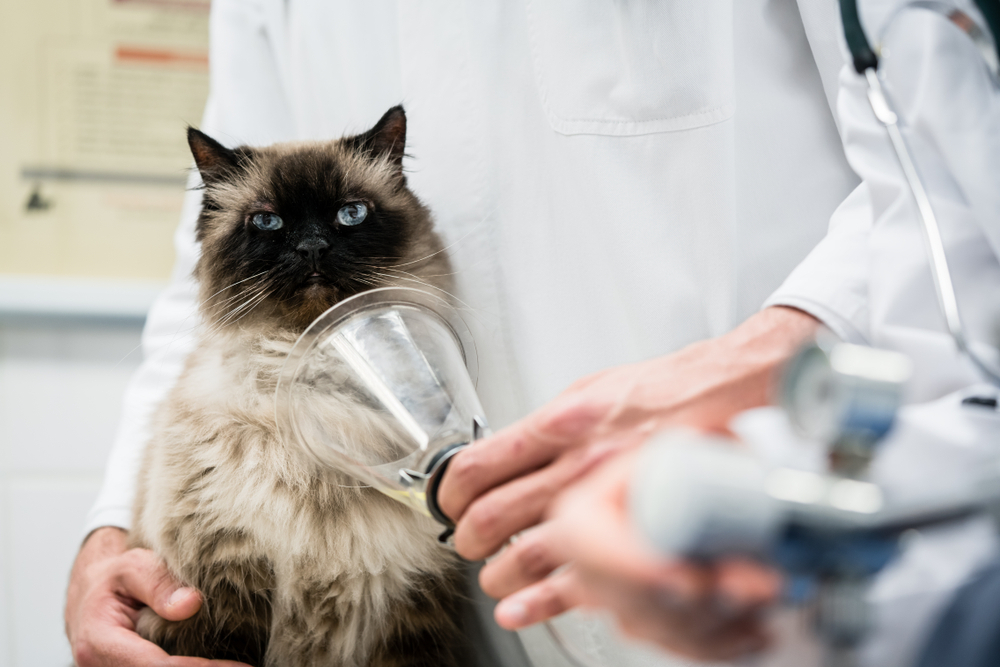
Treatment focuses on reducing inflammation and opening the airways. Most cats require corticosteroids- administered orally, by injection, or via inhaler- to control airway swelling. Bronchodilators may also be prescribed to relax airway muscles during flare-ups. Over time, inhaled therapy using an AeroKat chamber often becomes the preferred long-term option because it delivers medication directly to the lungs while minimizing side effects.
For cats with allergies, allergy testing and immunotherapy may be beneficial to reduce seasonal triggers. Antihistamines may also be useful to reduce allergy symptoms. For some cats, laser therapy may even be beneficial to reduce inflammation in the lungs.
Our veterinary team provides hands-on guidance for families learning how to use inhalers safely and effectively. Every cat’s treatment plan is customized based on their condition, medication tolerance, and lifestyle.
What to Do During an Asthma Attack
During a flare-up, your cat may become anxious and struggle to breathe. Stay calm and avoid handling them excessively, as stress can worsen symptoms. If you notice blue gums, wheezing that doesn’t resolve, or signs of collapse, seek immediate veterinary care.
Keep prescribed rescue medications accessible and have a plan for rapid transport to your veterinarian. If symptoms appear during our open hours, our emergency care team can provide urgent treatment to stabilize your cat’s breathing.
Reducing Home Triggers and Supporting Respiratory Health
Managing asthma isn’t just about medication- it’s also about controlling the environment. Cats with asthma are sensitive to airborne irritants, so reducing exposure is key. Swap dusty clay litter for low-dust litter. We love “World’s Best Cat Littler”– it’s a 99% dust free, corn-based cat litter. Avoid aerosol sprays, plug in scent diffusers, smoke, or strong fragrances, and keep air filters clean. Regular vacuuming and using an air purifier can also help.
Obesity significantly increases the risk and severity of feline asthma by promoting chronic inflammation throughout the body, including the airways. Excess body fat produces inflammatory compounds that make the respiratory system more reactive and prone to asthma attacks, while the physical weight on the chest wall can restrict normal breathing mechanics. Studies have shown that obesity worsens asthma outcomes in cats, making weight management a crucial component of respiratory health.
Maintaining a healthy weight, providing balanced nutrition, and scheduling regular wellness and prevention visits all contribute to respiratory health. During checkups, we help identify environmental triggers and develop sustainable changes that support long-term comfort.
Helping Cats Breathe Easier
Feline asthma may sound daunting, but with early intervention and ongoing care, it’s highly manageable. Understanding the condition, controlling the environment, and working closely with your veterinary team can help your cat live comfortably and safely.
At Providence Vet, we combine advanced technology with genuine compassion to ensure every cat receives the highest standard of care. If your cat is coughing, wheezing, or breathing abnormally, don’t wait- contact us to schedule an exam or learn more about our wellness and prevention services. Together, we’ll help your cat breathe easier and live better.



Leave A Comment