When Skin Lumps and Bumps Need Veterinary Attention
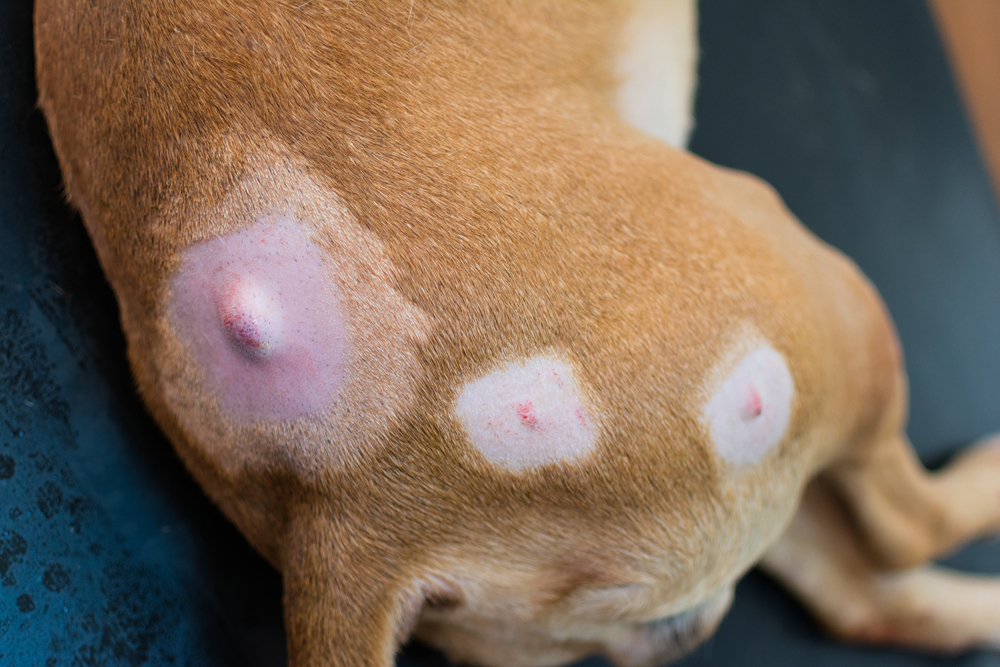
Finding a lump under your pet’s skin can be scary. Some masses are harmless, while others require immediate attention. Because it’s impossible to determine the cause by sight or touch alone, a professional exam is the only way to know for sure. Early evaluation gives your veterinarian the best chance to diagnose, treat, and remove growths before they threaten your pet’s comfort or health.
At Providence Veterinary Clinic in Virginia Beach, we take every lump seriously. Our team provides thorough, gold-standard care for dogs and cats, combining advanced diagnostics with a compassionate approach to ensure a longer, happier life. Whether your pet needs testing, surgical removal, or ongoing monitoring, we’re here to help you make informed decisions about their care.
Why Skin Masses Develop
Skin growths are common, especially in middle-aged and senior pets. Some develop from inflammation or blocked glands, while others form because of genetic, hormonal, or environmental factors. A lump can be benign, growing slowly and staying localized, or malignant, meaning it invades surrounding tissue or spreads elsewhere in the body.
Because external appearance isn’t reliable, diagnostic testing is essential. At Providence, our wellness and prevention appointments include full-body exams designed to detect lumps early- before they become painful or advanced.
Common Benign Growths in Pets
Lipomas
Soft, round, and movable, lipomas are fatty tumors that typically develop under the skin of older dogs. Most are harmless, but they can grow large enough to restrict movement or cause discomfort. Monitoring and removal are recommended when they interfere with mobility or change rapidly in size.
Cysts and Sebaceous Tumors
Cysts are sacs filled with keratin, oil, or fluid caused by blocked hair follicles or glands. While many are benign, they can rupture or become infected. Types of cysts on dogs include sebaceous, follicular, and apocrine cysts. If a cyst returns after drainage or causes irritation, your veterinarian may recommend surgical removal to prevent recurrence.
Warts and Viral Growths
In younger dogs, wart-like growths called oral papillomas may develop around the mouth or lips. These are caused by the oral papilloma virus and usually disappear once the immune system matures. However, any lump that bleeds, changes quickly, or causes pain should be checked, as some skin cancers can mimic benign papillomas.
When to Worry About Lumps and Bumps
Not all skin masses are harmless. Cancerous growths can appear anywhere and may spread quickly if untreated. Because pets can’t tell you when something feels wrong, professional evaluation is the safest path.
Mast Cell Tumors
Mast cell tumors are among the most common malignant skin cancers in dogs. They can look like anything- from a smooth lump to a swollen, inflamed sore that changes size. These tumors release histamine, causing itching and swelling. Without treatment, they can spread to lymph nodes, spleen, or liver.
At Providence Veterinary Clinic, our advanced care team uses cytology and biopsy testing to confirm the diagnosis. Surgical removal followed by medication or referral to oncology specialists offers the best prognosis.
Squamous Cell Carcinoma
Chronic sun exposure can cause squamous cell carcinoma (SCC)– a locally aggressive skin cancer most often seen on unpigmented or lightly haired areas. Squamous cell cancer in cats frequently affects the ears and nose, leading to ulcerated sores that don’t heal. In dogs, SCC may appear as crusty or scaly patches. Early surgery or cryotherapy can be curative. To reduce risk, protect your pet from skin cancer by avoiding prolonged sun exposure and using pet-safe sunscreen on vulnerable areas.
Melanoma
Melanomas originate from pigment-producing cells and may appear as dark, irregular, or rapidly growing nodules on the skin, toes, or inside the mouth. While some are benign, others are highly aggressive. Melanoma and melanocytic tumors in dogs often require surgical excision and may benefit from immunotherapy. Any pigmented lesion that grows, bleeds, or changes color should be evaluated immediately.
Mammary Tumors
Female dogs and cats that aren’t spayed face a higher risk of mammary cancer. Canine mammary tumors vary from benign to highly malignant. In cats, mammary tumors are almost always aggressive. Spaying before the first heat cycle significantly reduces this risk. If you notice any lumps along your pet’s belly or chest, schedule an exam promptly- early removal greatly improves outcomes.
Lymphoma
Lymphoma is a cancer of the lymphatic system that can affect the skin, internal organs, or lymph nodes. In dogs, firm, painless swelling beneath the jaw or in front of the shoulders often indicates enlarged lymph nodes, while cats more commonly develop internal or digestive forms of lymphoma. Diagnosis involves fine-needle aspiration or biopsy, and treatment may include chemotherapy, steroids, or palliative care depending on the stage. Early detection and monitoring for new or persistent swellings give the best chance for maintaining quality of life.
Histiocytomas
Histiocytomas are growths that arise from immune cells in the skin. They are usually benign, especially when found in young dogs. These lesions often appear suddenly as small, round, raised nodules that may become red, ulcerated, or itchy. In most cases, they resolve on their own within a few months as the immune system naturally clears them.
In older pets, however, a different form called malignant histiocytoma can develop. This aggressive cancer grows quickly, can invade surrounding tissue, and may spread to other organs. Any fast-growing or changing mass should be evaluated promptly with cytology or biopsy to confirm the diagnosis and guide treatment.
How Lumps Are Diagnosed
The only way to know what a lump is made of is through diagnostic testing. Your veterinarian may perform a fine-needle aspiration (FNA), cytology, and/or biopsy. During an FNA, a small needle is used to collect cells for examination under a microscope. Skin cytology in small animals helps distinguish between inflammation, infection, and tumor growth.
If the results are inconclusive or show signs of cancer, a biopsy may be needed for definitive diagnosis. Your doctor can explain the differences between cytology and biopsy and why both are valuable for identifying tumor type.
Advanced imaging such as X-rays or ultrasound may also be recommended to check for spread to other organs.
Treatment Options
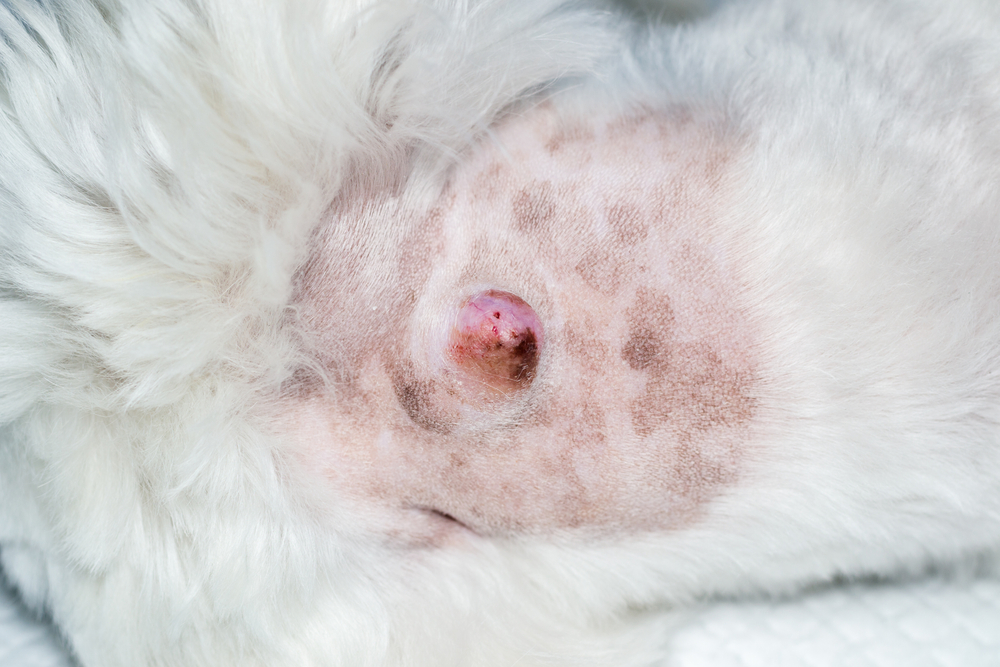
Treatment depends on the diagnosis and how advanced the mass is. Many benign tumors can be surgically removed with excellent outcomes. For more aggressive cancers, additional care such as chemotherapy or radiation may be advised.
Our surgery department performs mass removals with meticulous attention to safety and comfort. We use advanced anesthetic monitoring and pain management protocols so your pet recovers quickly. When specialized oncology support is needed, we coordinate with referral partners to ensure continuity of care.
Prevention and Early Detection
While not every tumor can be prevented, regular checkups and prompt attention to changes are key. Sun protection, spaying or neutering, balanced nutrition, and weight management all contribute to long-term health. Our wellness and prevention services include thorough skin and coat evaluations, helping catch lumps early when they’re easiest to treat.
At home, perform a gentle “nose-to-tail” check once a month. Note any lumps, changes in size, or differences in texture. Keep a written record or take photos to share during veterinary visits. Even a small lump can grow quickly, so don’t wait for obvious changes to appear.
If you find a lump that bleeds, oozes, or causes your pet discomfort, contact us right away. Our emergency team can evaluate urgent cases during business hours.
Your Partners in Lifelong Health
Lumps and bumps are common, but they should never be ignored. At Providence Veterinary Clinic, we combine diagnostic precision with compassionate guidance to help you make the best choices for your pet’s care. From annual screenings and preventive plans to expert surgical removal and recovery support, our commitment is to help your companion live a longer, healthier life.
If you’ve found a new lump or bump on your dog or cat, don’t wait- contact us today to schedule an exam. Early detection makes all the difference for your pet’s comfort and peace of mind.